Wishing Well Health

Thyroid Function with Antibodies Blood Test

5 Biomarkers (View)

Get a full picture of your thyroid health with this advanced test, measuring TSH, FT3, FT4, and thyroid antibodies. Ideal for exploring thyroid-related symptoms or monitoring autoimmune thyroid conditions.

Take control of your health with our best-selling checks. Whether you’re tackling symptoms, addressing health concerns, or simply being proactive, this test helps you gain insights and reduce your risk of common conditions.

Discover the power of small lifestyle changes to feel like yourself again.

Results in 3-5 days

Bespoke medical report

Convenient options

Free delivery

£64.00

Biomarker Table

Autoimmunity

Thyroglobulin antibodies

This test looks for antibodies to thyroglobulin, a protein which is specific to the thyroid gland. Under normal circumstances it does not enter the bloodstream, but if your thyroid is inflamed or under attack from the body’s own immune system, then thyroglobulin can be secreted and antibodies detected. Most cases of thyroid disease are caused by an autoimmune condition where the thyroid gland is attacked by the body’s own immune system. This can cause the thyroid gland to produce more thyroid hormone (as in the case of Graves’ disease) or to produce less as the cells in the thyroid gland are gradually destroyed (as in the case of Hashimoto’s thyroiditis).

Thyroid peroxidase antibodies

Thyroid peroxidase (TPO) is an enzyme important in the production of thyroid hormones. This test looks for antibodies against TPO which are often raised in cases of autoimmune thyroid conditions and occasionally in healthy individuals.

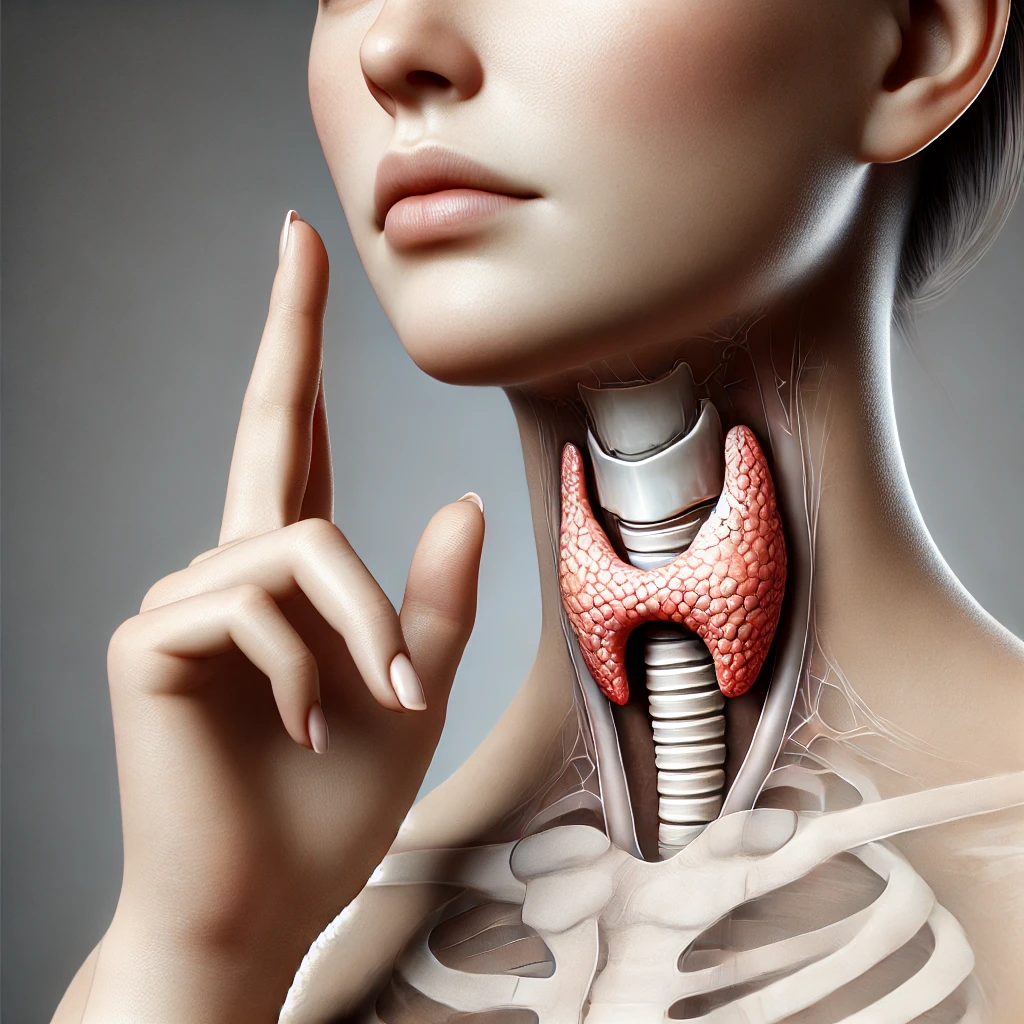
Thyroid hormones

TSH

Thyroid stimulating hormone (TSH) is produced in the pituitary gland in order to regulate the production of thyroid hormones thyroxine (T4) and triiodothyronine (T3) by the thyroid gland. If thyroid hormones in the blood are low, then more TSH is produced to stimulate the thyroid gland to produce more of them. If thyroid hormone levels are high, then the pituitary produces less TSH to slow the production of thyroid hormones. If TSH is too high or too low, it normally signifies that there is a problem with the thyroid gland which is causing it to under or over produce thyroid hormones. Sometimes a disorder of the pituitary gland can also cause abnormal TSH levels.

Free T3

Triiodothyronine (T3) is the more active of the two thyroid hormones produced by the thyroid gland. Most T3 is bound to protein in the blood. Free T3 measures the level of T3 that is free, or unbound to protein, and is available to regulate metabolism.

Free thyroxine

Thyroxine (T4) is one of two hormones produced by the thyroid gland. It works to speed up the rate of your metabolism. Most T4 is bound to carrier proteins in the blood – it is only the free, or unbound, T4 that is active in the body, which is measured in this test. Free T4 is the less active of the two main thyroid hormones. To have an impact on your cells it needs to convert to the more active T3 when your body needs it.

Designed & Developed by Bizwings Cloud